About ACP Aluminium Structural Glazing
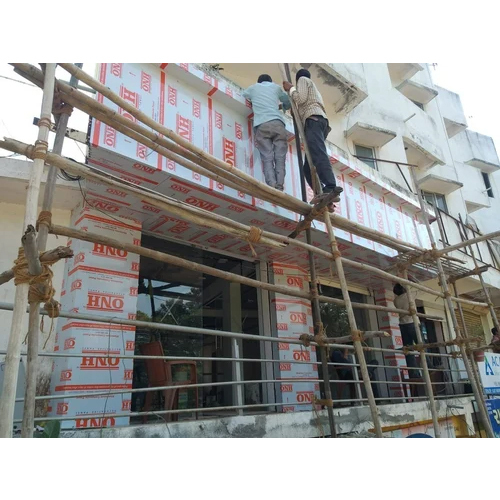
ACP structural glazing specifications include an aluminum composite panel (ACP) with a core sandwiched between two aluminum sheets, and typically 4mm to 6mm thick for exterior use
. The system uses an aluminum framework, often extruded from 6063 T5 or T6 alloy, with a minimum profile thickness of 2mm. Key features are a powder-coated finish, weather resistance, and a 25mm to 100mm minimum main frame size for vertical members. Versatile Glazing Systems for Building InnovationACP Aluminium Structural Glazing with glass options combines the insulating strength of aluminium composite panels with the clarity and performance of advanced glass types. This system supports toughened, laminated, insulated, and double or triple glazed variants, providing customizable solutions for project-specific requirements. With robust weatherproofing, a range of color and finish options, and seamless joint treatment, architects and builders can achieve contemporary, high-performance facades while enhancing visual appeal.
Sustainability and Energy Efficiency PrioritizedDesigned with sustainability in mind, these glazing panels use environment-friendly, recyclable materials like Grade 5052 or 3003 aluminium alloy with over 90% purity. Whether finished with PVDF, powder coating, or anodizing, the panels offer exceptional durability, low U-values for high thermal insulation, and assist in reducing energy costs due to their efficient barrier properties. The system contributes to building green certifications and long-term operational savings.
FAQ's of ACP Aluminium Structural Glazing:
Q: How is ACP Aluminium Structural Glazing installed on building exteriors?
A: ACP Aluminium Structural Glazing can be installed using stick, unitized, or semi-unitized systems, employing mechanical fasteners combined with structural silicone adhesive to ensure a secure, seamless finish. The fixing method is selected based on project scale and design requirements.
Q: What glass options are available for this glazing system?
A: Available glass options include toughened, laminated, insulated, and double or triple glazed units. These options enable the system to meet various performance needs for safety, acoustic isolation, and thermal insulation, as specified by the project design.
Q: When should I choose Class A or B fire-rated panels for my project?
A: The choice between Class A or B fire rating depends on local authority standards and building codes. Projects requiring the highest fire resistance should specify Class A, while Class B is suitable where moderate resistance is acceptable.
Q: Where can ACP Aluminium Structural Glazing be applied?
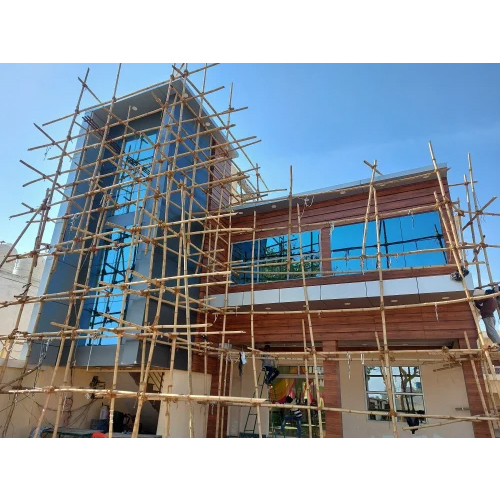
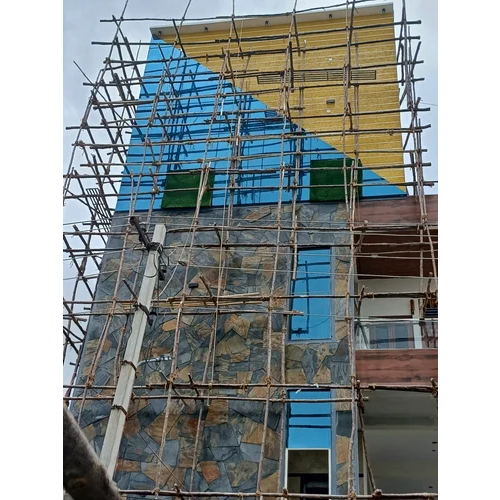
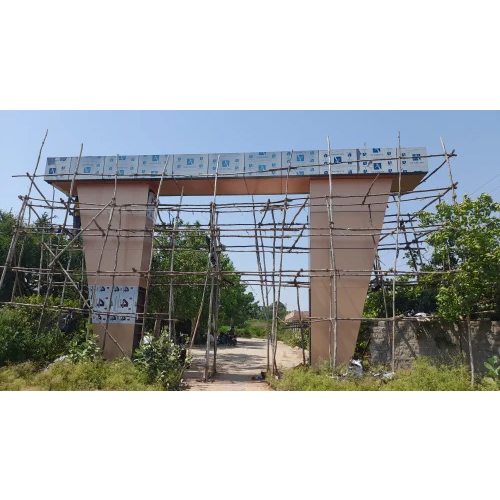
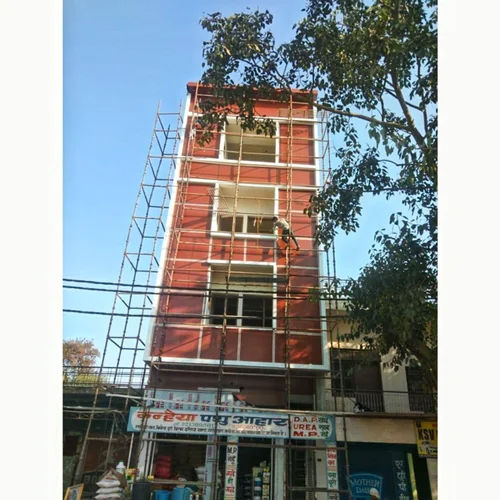
A: These systems are widely used on building facades, curtain walls, and exterior cladding for commercial complexes, high-rises, institutional buildings, and architectural renovations, owing to their strength, aesthetic appeal, and weather resistance.
Q: What is the process for customizing panel size, color, or shape?
A: Panels are fabricated using automatic or semi-automatic machinery based on architectural drawings, with customization options for shape (rectangular, square, or bespoke), size (up to 1500mm width and 6000mm length), color (including metallic, solid, or wooden finishes), and surface treatment.
Q: How does the glazing system enhance energy efficiency and comfort?
A: By integrating advanced glass with high thermal insulation (low U-value), and acoustic performance (STC 32-45), ACP structural glazing reduces heat transfer and blocks external noise, leading to lower energy consumption for HVAC and improved indoor comfort.
Q: What are the maintenance requirements and benefits of these panels?
A: Thanks to smooth, treated surfaces (PVDF or powder-coated), the system is easy to clean and maintain, requiring minimal upkeep while resisting weathering, UV rays, and pollution. This ensures the facade remains attractive and functional for many years.




 Send Inquiry


 Send Inquiry